 Centre for Airway, Face & Sleep Medicine
How Airway Influences Brain Development
Breathing is not just about oxygen — it directly affects sleep, attention, behaviour and overall development.
🫁 Airway Function
Healthy nasal breathing supports oxygen delivery and brain regulation.
😴 Sleep Quality
Deep, stable sleep is essential for memory, growth and brain repair.

🧠 Neurocognition
Breathing patterns influence attention, learning and emotional control.
📈 Development
Function shapes growth — affecting posture, behaviour and performance.

The Hidden Connection Most Parents Miss
Many developmental and behavioural challenges are not just brain-related — they are deeply influenced by breathing, sleep and oral function.
When a child breathes through the mouth, sleeps poorly, or has restricted tongue function, the brain does not receive optimal oxygen and rest.
This can affect attention, behaviour, learning, emotional regulation and overall development.
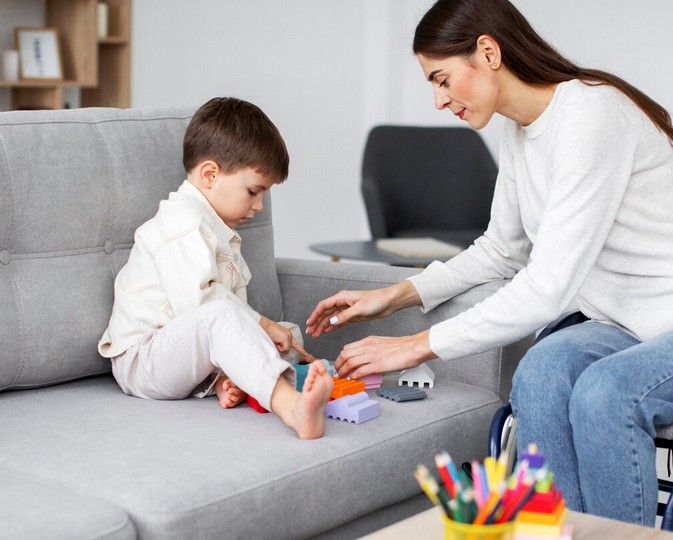
Supporting Differently-Abled Children
Children with developmental or physical challenges often have additional difficulties related to breathing, sleep and oral function.
These challenges may not always be obvious, but they can influence comfort, attention, mobility and overall development.
- • Higher likelihood of airway compromise
- • Low muscle tone affecting posture and breathing
- • Oral function difficulties impacting feeding and speech
- • Sleep disturbances affecting neurocognitive development

From Functional Challenges to Better Development
Improving breathing, sleep and oral function can gradually influence attention, behaviour and overall development.
Before
- Fragmented sleep
- Predominant Mouth breathing pattern
- Memory loss and learning backwardness
- Reduced attention span / hyperactivity
- Feeding, speech or oral coordination difficulty
- Poor postural control or low muscle tone
After
- More restful sleep
- Improved nasal breathing and airway function
- Improved neurocognition and academics
- Better focus, engagement & regulation
- Improved feeding, speech and oral control
- Better posture, coordination and activity
Assessment → Breathing & functional training → Targeted intervention → Ongoing development support